



extraordinary
world of
Chinese culture
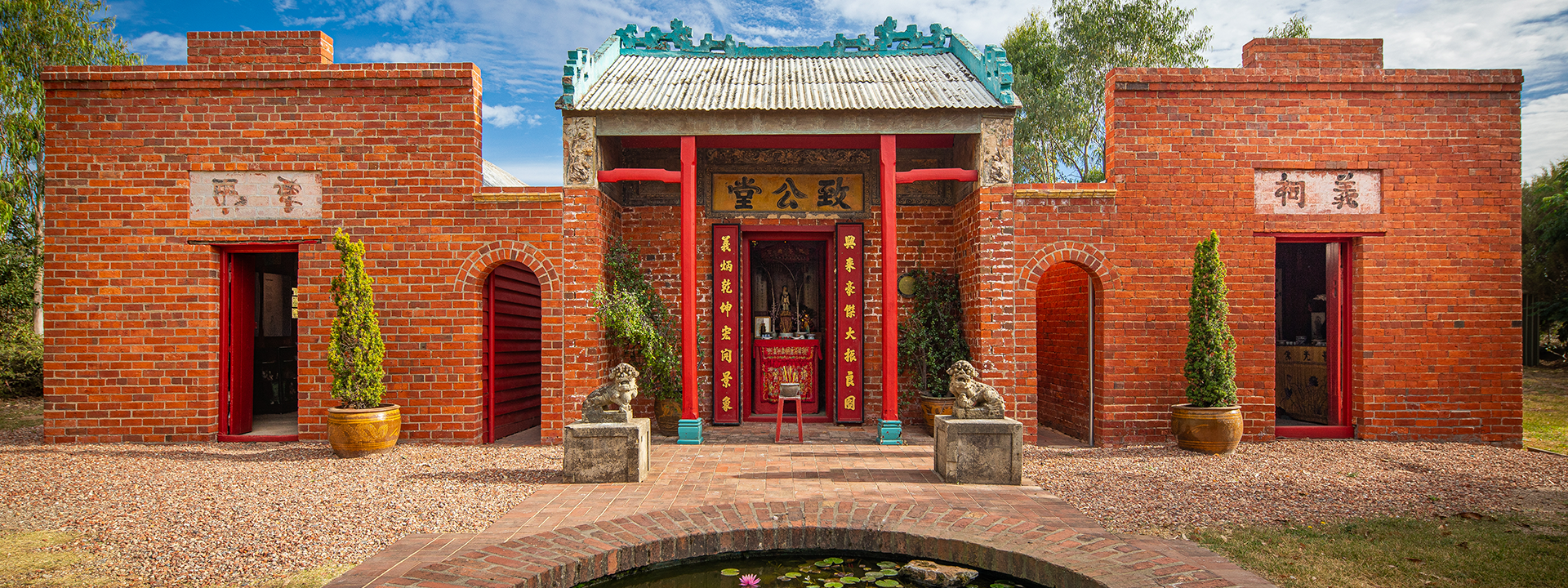
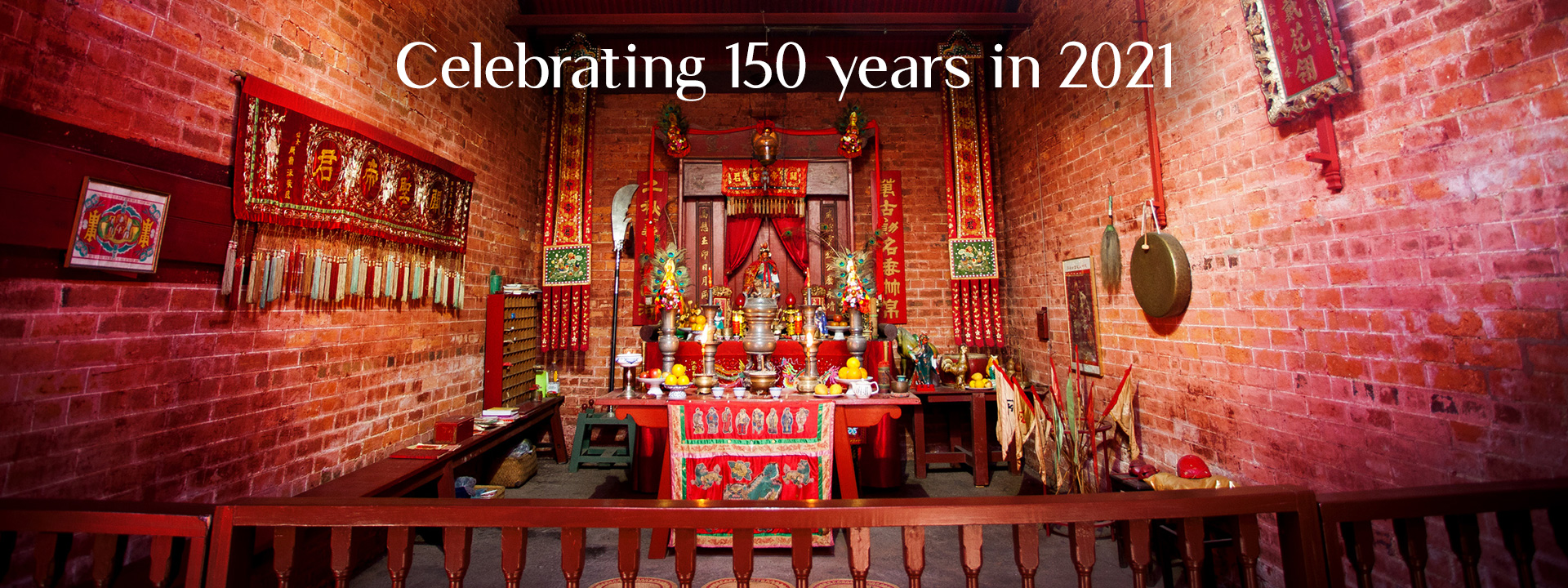
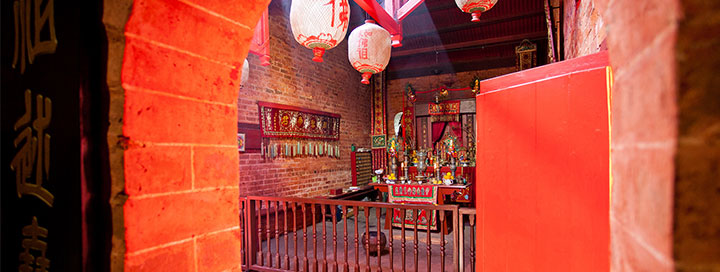
At the heritage-listed Bendigo Joss House Temple you will discover more about Chinese beliefs and the story of the Chinese who came to Bendigo in search of gold.
Opened in 1871, this Chinese place of worship is one of the few remaining buildings of its type in Australia.
The main temple is dedicated to Guan-Di (Kwan Gong), the god of war and prosperity. The Chinese saw him as a wise judge, guide, protector and provider of wealth and prosperity; attributes sought by the Chinese inhabitants of this strange land.
Constructed using locally handmade bricks and painted red – symbolising happiness, strength and vitality – the Bendigo Joss House Temple is a significant and unique part of Bendigo’s cultural history.
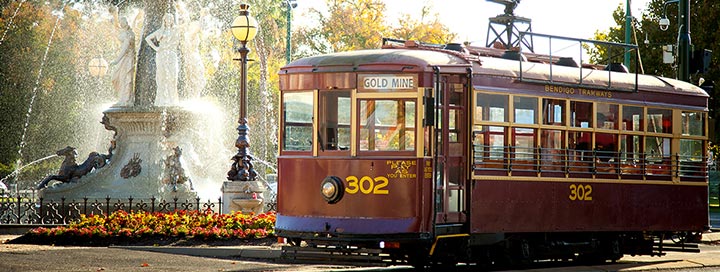
Catch a tram
A Vintage Talking Tram Tour is a fantastic add on to your Joss House visit and provides an insight into Bendigo’s heritage.
FIND OUT MORE >
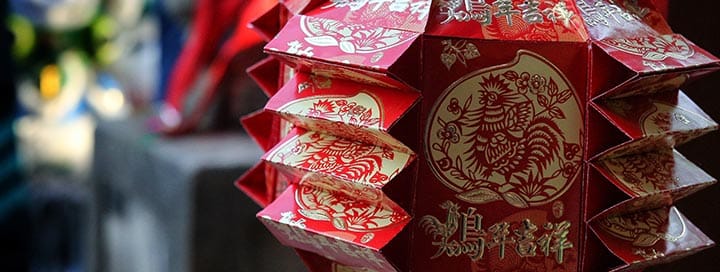
Chinese Zodiac Calendar
Do you know which animal you are on the Chinese Zodiac Calendar? Find out below and see if your traits align.
152 Years of History
The Bendigo Joss House Temple was one of seven Chinese temples built around this area to serve the large Chinese population on the goldfield.
150 years
Opened in 1871, 2021 marked the 150th anniversary of the Bendigo Joss House Temple. The heritage-listed temple is significant as being one of the few remaining buildings of its type in Australia.